
Ever slipped on a hair cap only to realize it’s carrying centuries of tradition stitched into every seam? Yeah, me too—until I accidentally washed my grandmother’s silk head wrap with bleach and watched 3 generations of Yoruba heritage dissolve in suds. RIP, Adùrẹ́.
This isn’t just about protecting curls overnight or keeping edges sleek. Hair caps—especially those rooted in African, Caribbean, South Asian, and Indigenous communities—are wearable archives of identity, resistance, and ritual. In this post, you’ll discover how hair caps embody cultural heritage, why modern styling choices can honor (or erase) that legacy, and exactly how to choose accessories that celebrate your roots without appropriation.
You’ll learn: the hidden history behind satin vs. gele wraps, how diaspora designers are reclaiming narrative control, why “just cute” headwear misses the point, and where to source ethically made pieces that support cultural preservation.
Table of Contents
- Why Are Hair Caps More Than Beauty Tools?
- How to Honor Cultural Heritage Through Hair Accessories
- Best Practices for Respectful Hair Cap Use
- Real Stories: Cultural Heritage in Action
- FAQs About Hair Caps and Cultural Heritage
Key Takeaways
- Hair caps like the West African gele, Indian rumāl, and Native American hair ties are deeply symbolic—not fashion afterthoughts.
- The global hair cap market is projected to hit $1.2B by 2027 (Statista, 2023), yet few brands acknowledge cultural origins.
- Using culturally significant headwear without context risks erasure; honoring it requires education, credit, and community support.
- Look for BIPOC-owned brands using traditional textiles like aso-oke, kente, or handwoven cotton to ensure authenticity.
- Even satin bonnets can carry heritage when sourced from makers who share stories behind their craft.
Why Are Hair Caps More Than Beauty Tools?
Let’s be real: most beauty blogs frame hair caps as mere tools for “frizz control” or “satin sleep solutions.” But strip away the influencer gloss, and you’ll find objects steeped in ceremony, survival, and sovereignty.
In Nigeria, the gele—a stiff, intricately tied headwrap—is worn at weddings, funerals, and chieftaincy ceremonies. Its height and drape signal status, marital status, and even political alignment. In Sikhism, the rumāl (small head covering) precedes the full turban (dastar) and marks a child’s first step into spiritual discipline. Among many Navajo women, woven hair ties aren’t just practical—they’re prayer vessels, infused with intention during creation.
Yet mainstream beauty retailers often rebrand these as “boho headbands” or “exotic sleep caps,” divorcing them from meaning. According to UNESCO’s 2022 report on intangible cultural heritage, over 40% of traditional textile practices face extinction due to commercial dilution.
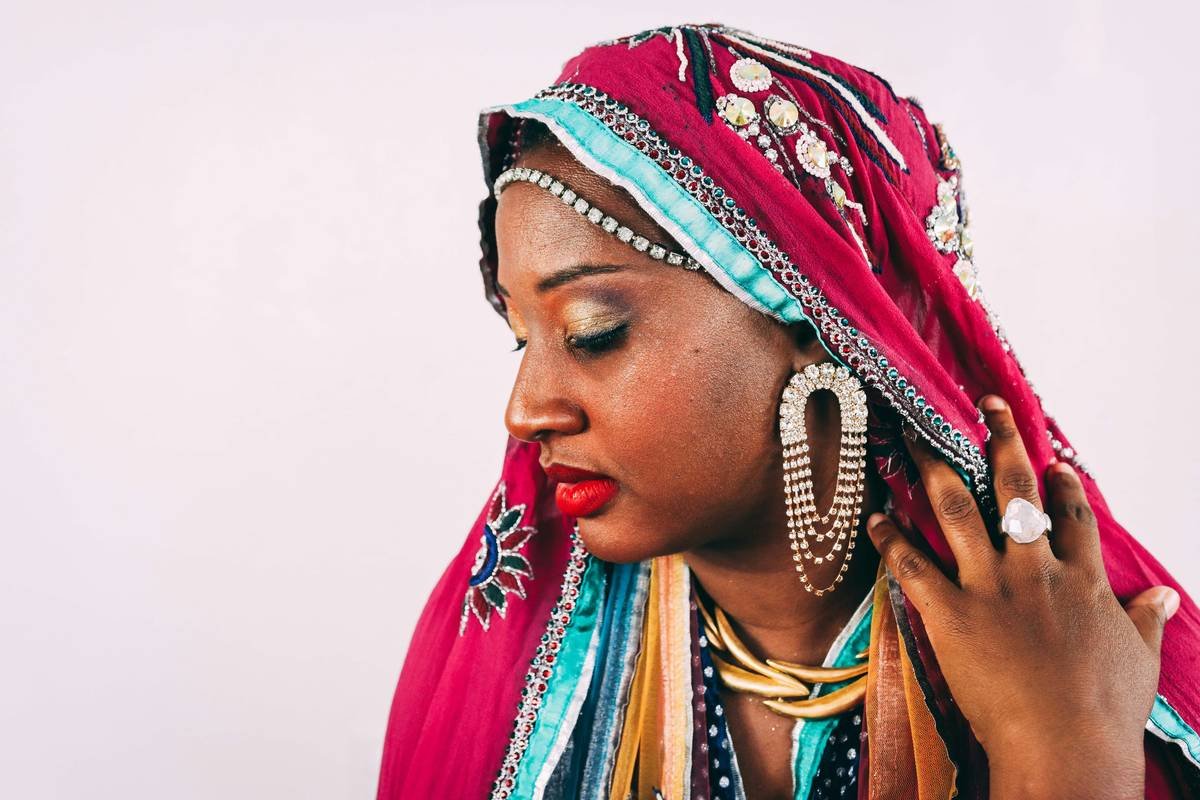
Grumpy You: “Ugh, do I really need a history lecture before buying a bonnet?”
Optimist You: “Yes—because your purchase either preserves or erases someone’s story. Also, coffee’s involved. Always.”
How to Honor Cultural Heritage Through Hair Accessories
If you’re ready to move beyond “aesthetic” and into allyship, here’s how to wear hair caps with integrity:
Step 1: Identify Your Connection (or Lack Thereof)
Ask: “Is this part of my lineage?” If yes, research familial traditions. If no, ask: “Am I borrowing—or stealing?” Borrowing involves permission, context, and reciprocity. Stealing slaps a $20 “tribal print” cap on Amazon Prime without naming its origin.
Step 2: Source from Culture-Bearers
Support Black-, Indigenous-, or South Asian-owned brands like Sister Scroll (Yoruba-inspired gele kits) or Moonlight Mela (hand-block printed rumāls). These makers share oral histories with each product.
Step 3: Learn the Language
Call it what it is. “Headwrap” ≠ “hair scarf.” The dhuku in Zimbabwe isn’t “trendy”—it’s a marker of Shona womanhood. Misnaming flattens meaning.
Step 4: Care Like It’s Sacred
I learned this the hard way: never toss a hand-dyed adire gele in the dryer. Traditional fabrics often require hand-washing with mild soap (like Castile) and air-drying in shade. Treat them like heirlooms—because they are.
Best Practices for Respectful Hair Cap Use
Not all hair caps claim cultural weight—but when they do, handle with care:
- Prioritize natural fibers: Silk, cotton, and linen honor scalp health AND traditional craftsmanship better than polyester “satin” blends.
- Avoid costume contexts: Wearing a Navajo-style hair tie to Coachella? Nope. Save ceremonial pieces for moments that honor their purpose.
- Credit publicly: If you post your gele look on Instagram, tag the maker and name the style (“I’m wearing an àdùrẹ́ gele, styled per Lagos wedding customs”).
- Pass knowledge forward: When your cousin asks, “Where’d you get that cute wrap?”—tell the whole story.
Terrible Tip Disclaimer: “Just buy the cheapest satin cap—it’s all the same.” FALSE. Fast-fashion hair caps often exploit labor and erase origin. Quality + ethics = non-negotiable.
Real Stories: Cultural Heritage in Action
In 2021, London-based stylist Amina Diallo launched Cap & Crown, a line of hair caps using reclaimed aso-oke fabric from her grandmother’s Lagos studio. Each cap includes a QR code linking to oral histories of Yoruba weaving. Within a year, she funded three apprenticeships for teenage girls in Oyo State to learn traditional dyeing.
Meanwhile, in Santa Fe, Diné (Navajo) artist Lyla Benally partners with local elders to teach youth how to weave hair ties from yucca fiber—a practice nearly lost during forced assimilation policies. Her Etsy shop donates 30% of profits to the Navajo Language Immersion School.
These aren’t “side hustles.” They’re acts of restitution. And when you choose their products? You become part of the preservation chain.
FAQs About Hair Caps and Cultural Heritage
Can non-Black people wear satin bonnets?
Yes—if they’re generic sleep caps (not mimicking specific cultural items like dhuku or gele). But if it references a tradition you don’t belong to, reconsider.
Are “African print” hair caps always cultural appropriation?
Not if made by African designers using authentic Ankara or adire. Problem arises when non-African brands mass-produce knockoffs without credit or profit-sharing.
How do I know if a hair cap is culturally significant?
Research! Look for terms like “gele,” “dhuku,” “rumāl,” or “otzicatl.” If the seller avoids naming origins, walk away.
Can men engage with this too?
Absolutely. Sikh men’s dastars, Maasai warriors’ ochre-dyed headbands, and Rastafari tams all carry deep heritage. Respect applies across genders.
Conclusion
Hair caps aren’t just about sleek morning hair—they’re soft armor, memory vessels, and quiet declarations of belonging. By choosing consciously, crediting accurately, and sourcing ethically, you turn a simple beauty routine into an act of cultural stewardship.
So next time you tie on a wrap, ask: “Whose hands made this possible?” Then honor them—with your care, your voice, and your wallet.
Like a Tamagotchi, your cultural respect needs daily feeding—not just when it trends on TikTok.
Silk stitched with stories,
Grandmother’s hands in the thread—
Heritage lives on.

