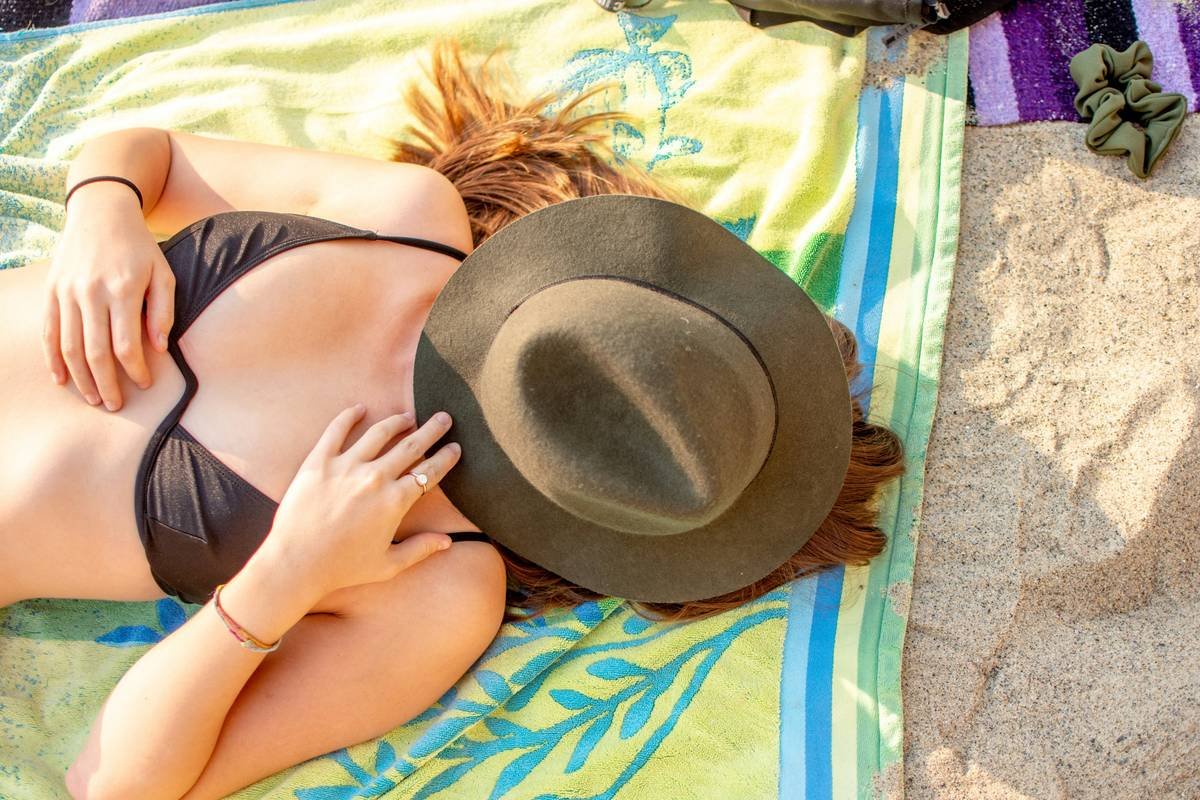
Sunburn doesn’t stop at your shoulders. Yet most people slather sunscreen on their face and arms—then forget the scalp entirely. Hair offers minimal defense, especially if it’s thin, parted, or light-colored. The result? Painful burns, accelerated hair thinning, and long-term UV damage you can’t see… until it’s too late. Enter the UV protection cap—not a fashion afterthought, but a non-negotiable layer of defense.
Why Regular Hats Fail to Protect Your Scalp
A cotton baseball cap feels cool. It looks casual. But it blocks barely 20% of UV rays. Woven fabrics stretch when worn—creating microscopic gaps sunlight slips through like water through a sieve.
And darker hair isn’t safe either. UV penetrates strands, degrading keratin from the inside out. You might not feel it burning—but the cellular damage accumulates silently.
Standard hats also trap heat and moisture against the scalp, fueling irritation or even folliculitis in humid climates. Comfort shouldn’t come at the cost of coverage.
How to Choose and Use a UV Protection Cap That Actually Works
Not all “sun hats” are created equal. Real UV defense hinges on three factors: fabric density, UPF rating, and fit.
Fabric Matters More Than You Think
Tightly woven polyester or nylon with embedded UV-absorbing dyes outperforms natural fibers every time. Look for a certified UPF 50+ label—this means only 1/50th of UV radiation gets through.
Fit Isn’t Just About Comfort—It’s Coverage
A loose cap flaps in the wind, exposing your part line. A snug-but-breathable fit ensures consistent shielding, especially along vulnerable zones like the crown and hairline.
Style That Doesn’t Sacrifice Function
Modern UV caps now come in sleek, minimalist silhouettes—think athletic beanies for runners or wide-brimmed liners worn under straw hats. No more looking like you’re headed to a beach volleyball tournament unless you want to.
| Type of Head Covering | UPF Rating | Scalp Coverage | Breathability | Best For |
|---|---|---|---|---|
| Cotton Baseball Cap | UPF 5–10 | Partial (no neck/back) | High | Cloudy days, errands |
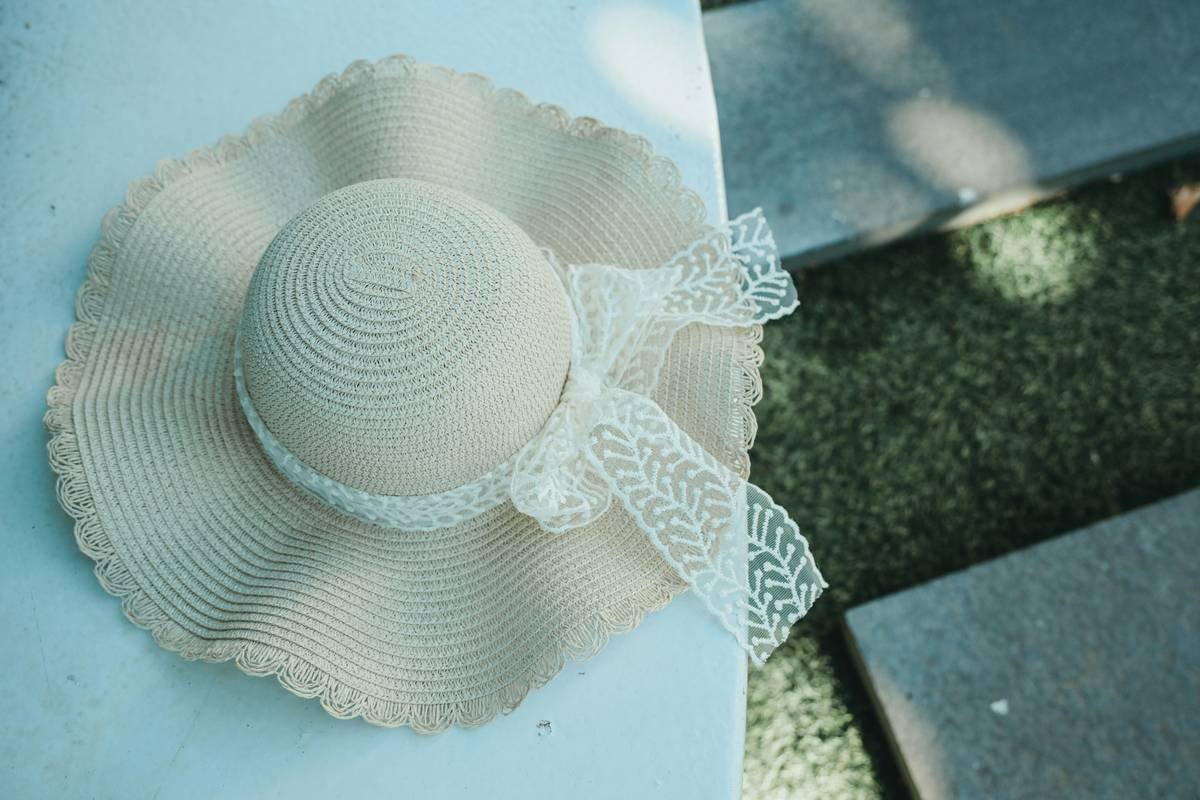
| Straw Sun Hat | UPF 3–8 (unless lined) | Wide brim but porous weave | Very High | Shade-only environments |
| Dedicated UV Protection Cap | UPF 50+ | Full scalp + nape | Moderate to High (moisture-wicking options available) | Daily sun exposure, beaches, high-altitude hikes |
| Silk Scarf Wrap | UPF 10–15 | Variable (depends on layers) | Moderate | Cultural styling, low-sun settings |
The Industry Secret: Dermatologists Wear Them Under Wigs
Here’s what no one tells you: Oncology and dermatology clinics quietly recommend UV caps to patients undergoing chemotherapy—even those opting for wigs. Why? Because synthetic wig fibers offer almost zero UV filtration. And delicate, regrowing hair follicles are hypersensitive to radiation.
But it’s not just medical. Pro surfers, field biologists, and alpine guides have relied on technical UV headwear for decades—it’s just been branded as “performance gear,” not skincare. The beauty industry is only now catching up. Bottom line: If your scalp sees consistent sun, treat it like your face. Because biologically, it is.
Frequently Asked Questions
Do I need a UV protection cap if I have thick hair?
Yes. UV penetrates hair shafts—especially blond, gray, or chemically treated hair. A cap adds a physical barrier that hair alone can’t provide.
Can I wear a UV protection cap under other hats?
Absolutely. Many are designed as ultra-thin liners. They add zero bulk but boost protection dramatically under straw or mesh hats.
How often should I replace my UV protection cap?
Every 2–3 years with regular use. UV-absorbing compounds degrade over time. If it’s faded, stretched, or frequently washed, its UPF rating drops.

